Extramarital (2023)
Written and produced by Jesmin Chowdhury
Directed by Apu Chowdhury


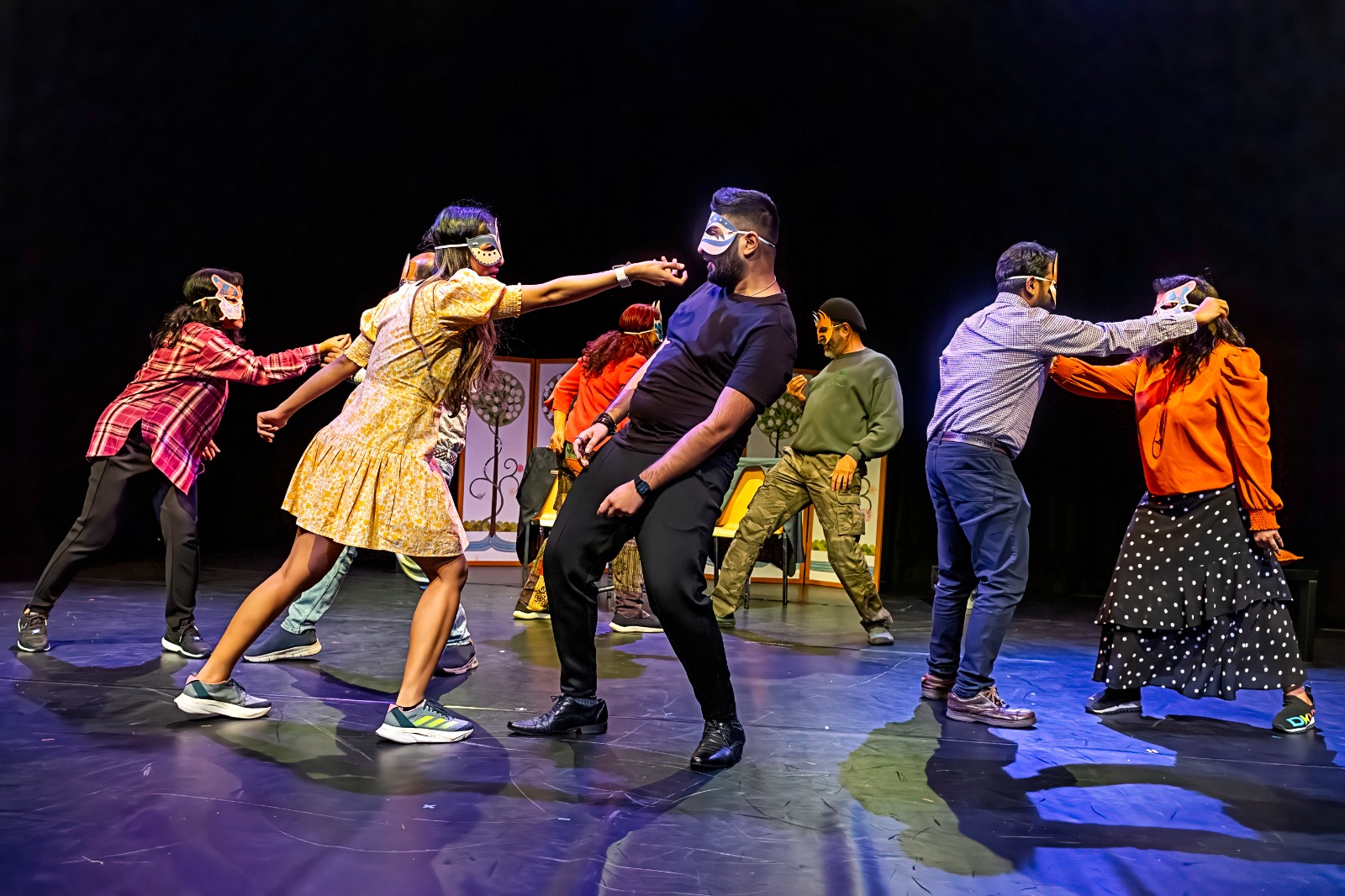
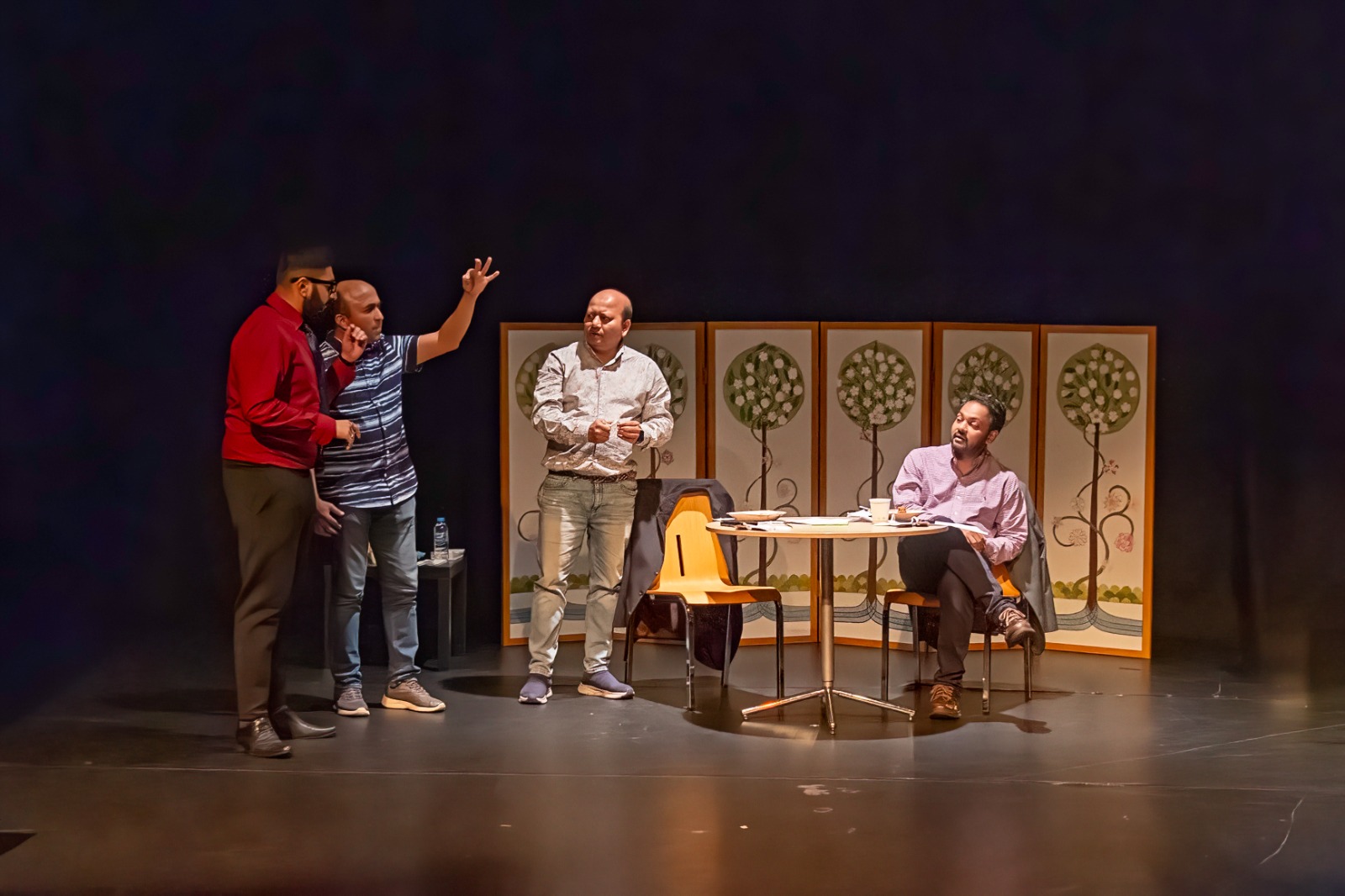

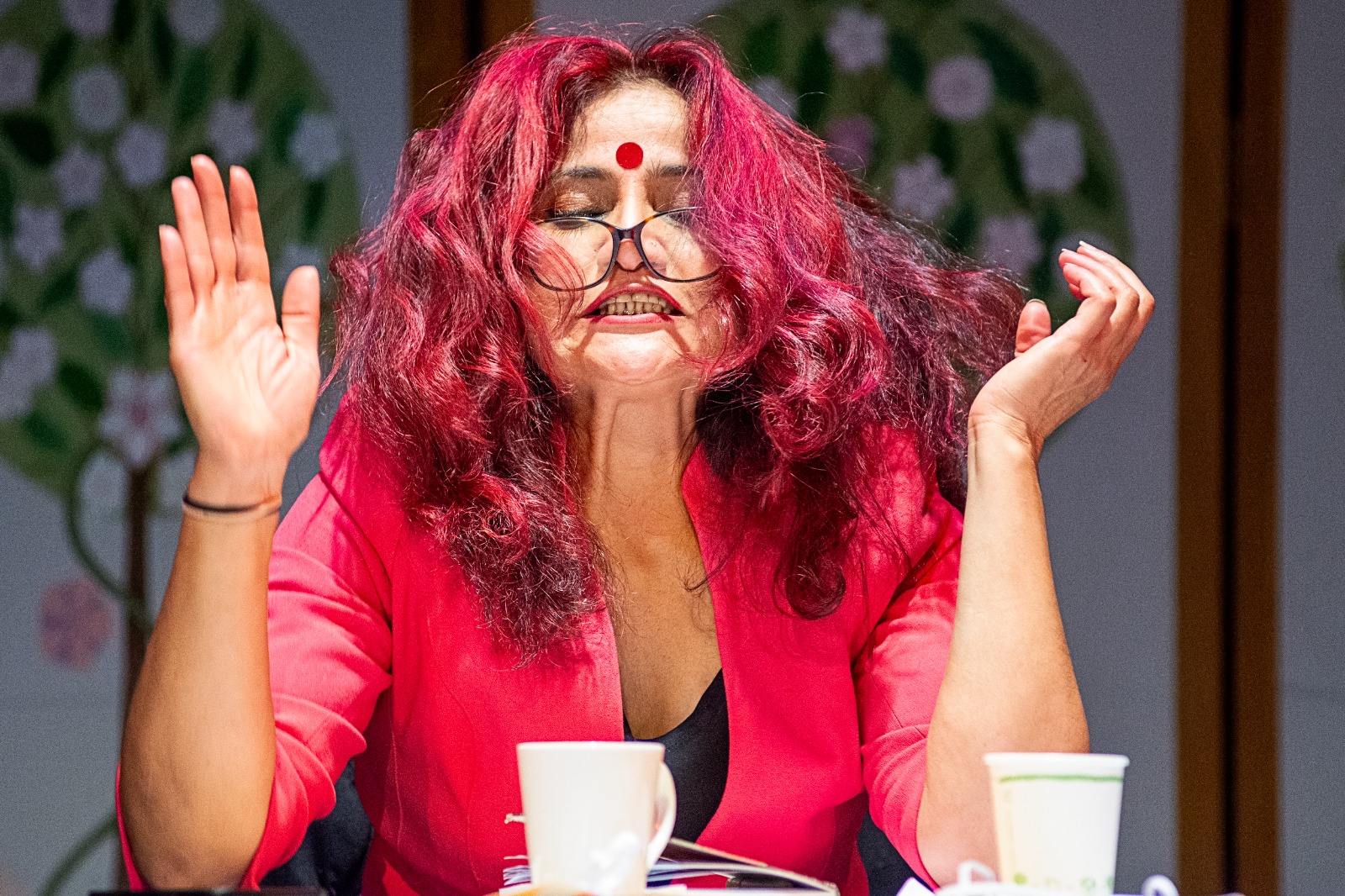
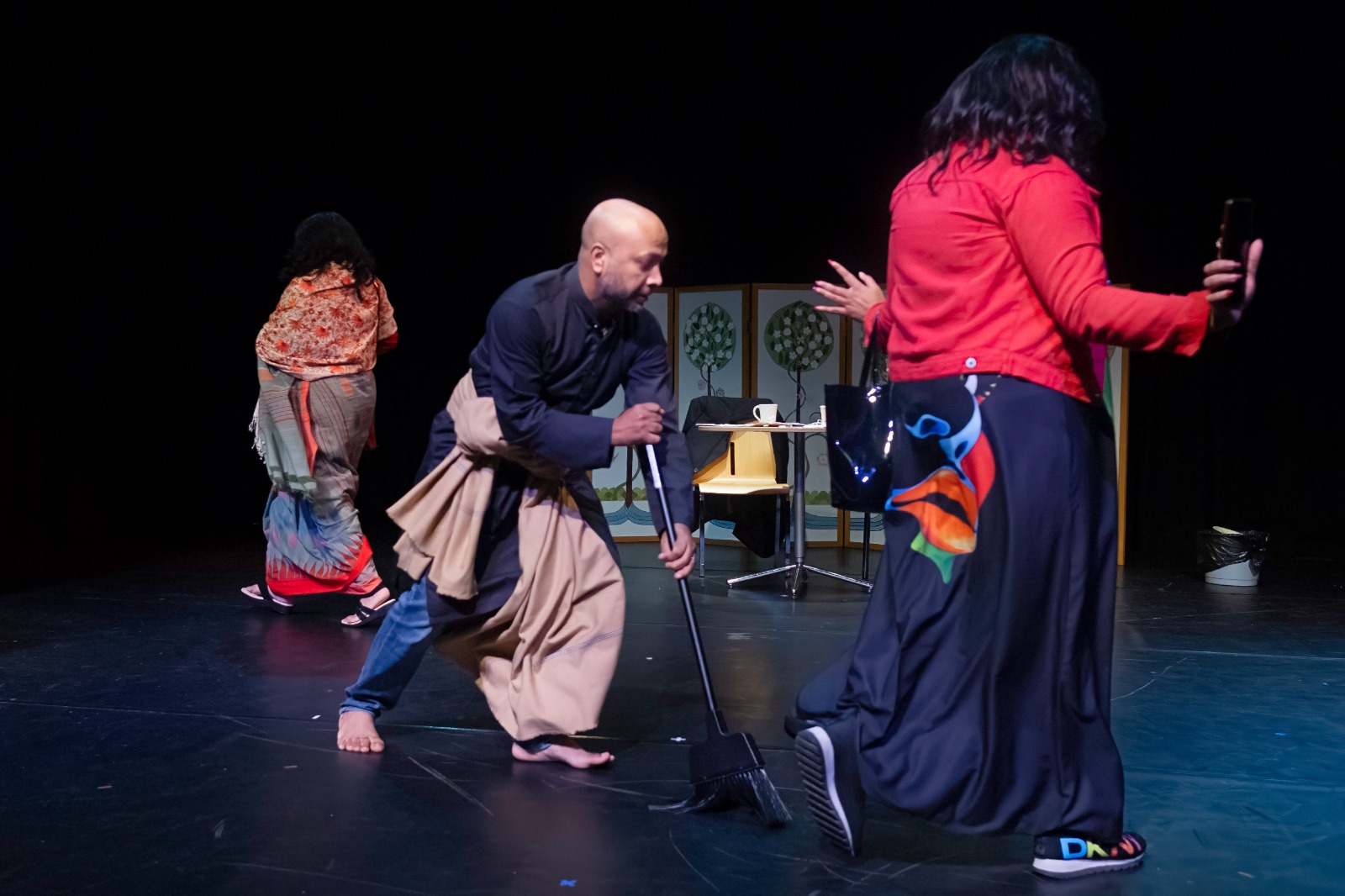
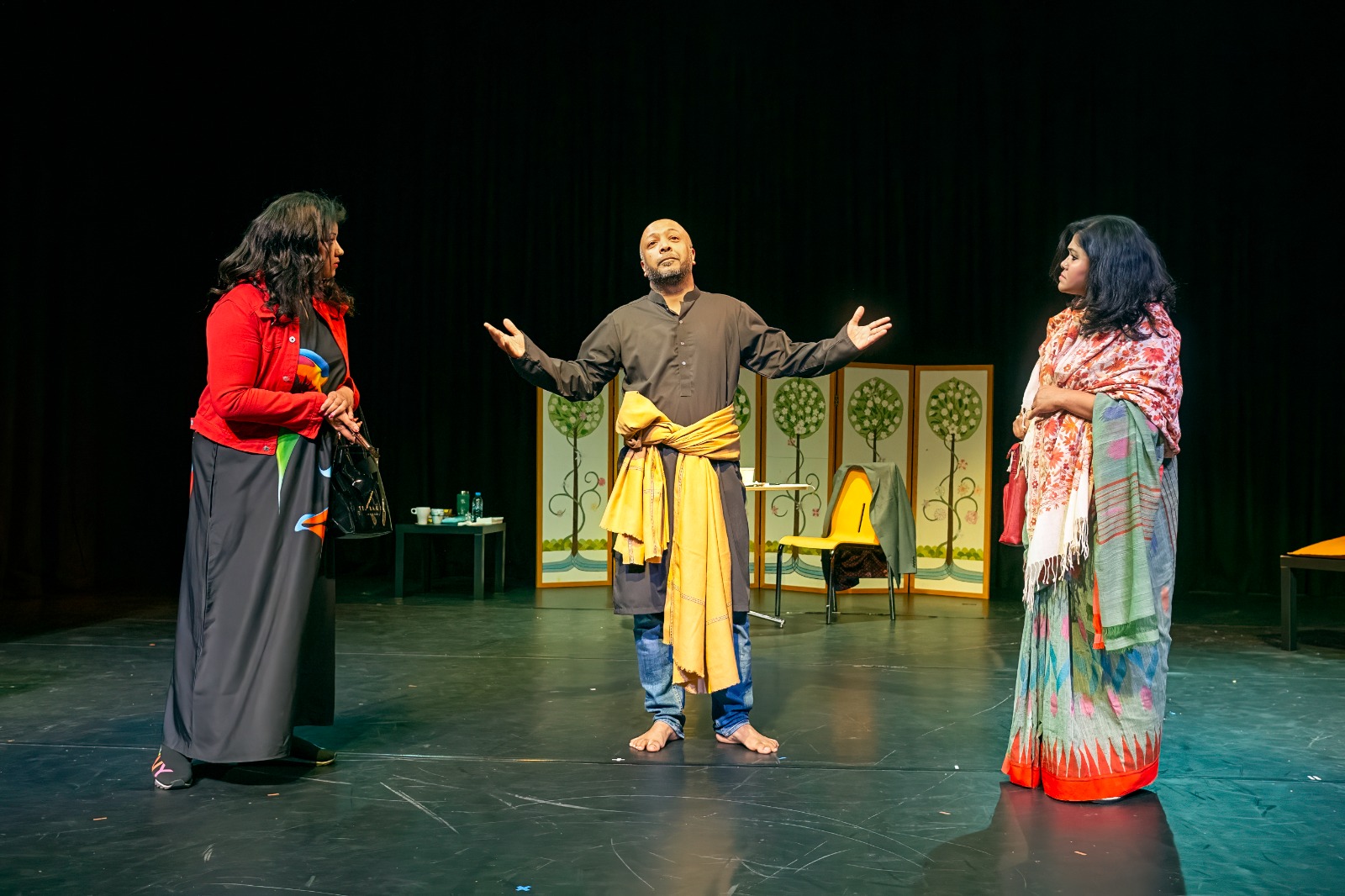

Synopsis: Set in post-lockdown UK, ‘Extramarital’- 60% of which is in English- is a light-hearted play within a play. The story follows the extramarital affairs of two couples who take the love and strength in their relationships for granted and, being bored, search for excitement and pleasure elsewhere. As rehearsals for the play descend into chaos, the audience is entertained with classic slap-stick comedy, whilst also getting a glimpse of the ‘back-stage’ drama. As the play progresses, the parallels between the actors’ on stage and off-stage lives become clearer and the line between reality and fiction get blurred. The story starts with Zaman and Arefin- two colleagues in the inside play- talking about their lockdown experiences and Zaman telling Arefin about his extramarital love affair. The middle of the play shows how being inspired by Zaman’s stories, Arefin also starts having an extramarital affair and how their children Shajeeb and Joya are distressed by their parents’ unhappy marriages. The ‘play within the play’ ends in the two couples being exposed and it is revealed that they are actually having affairs with each other’s wives.
Telegram (2022)
Co-produced with Professor Anindita Ghosh, School of Arts Languages and Cultures, University of Manchester
Written by Jesmin Chowdhury
Directed by Apu Chowdhury
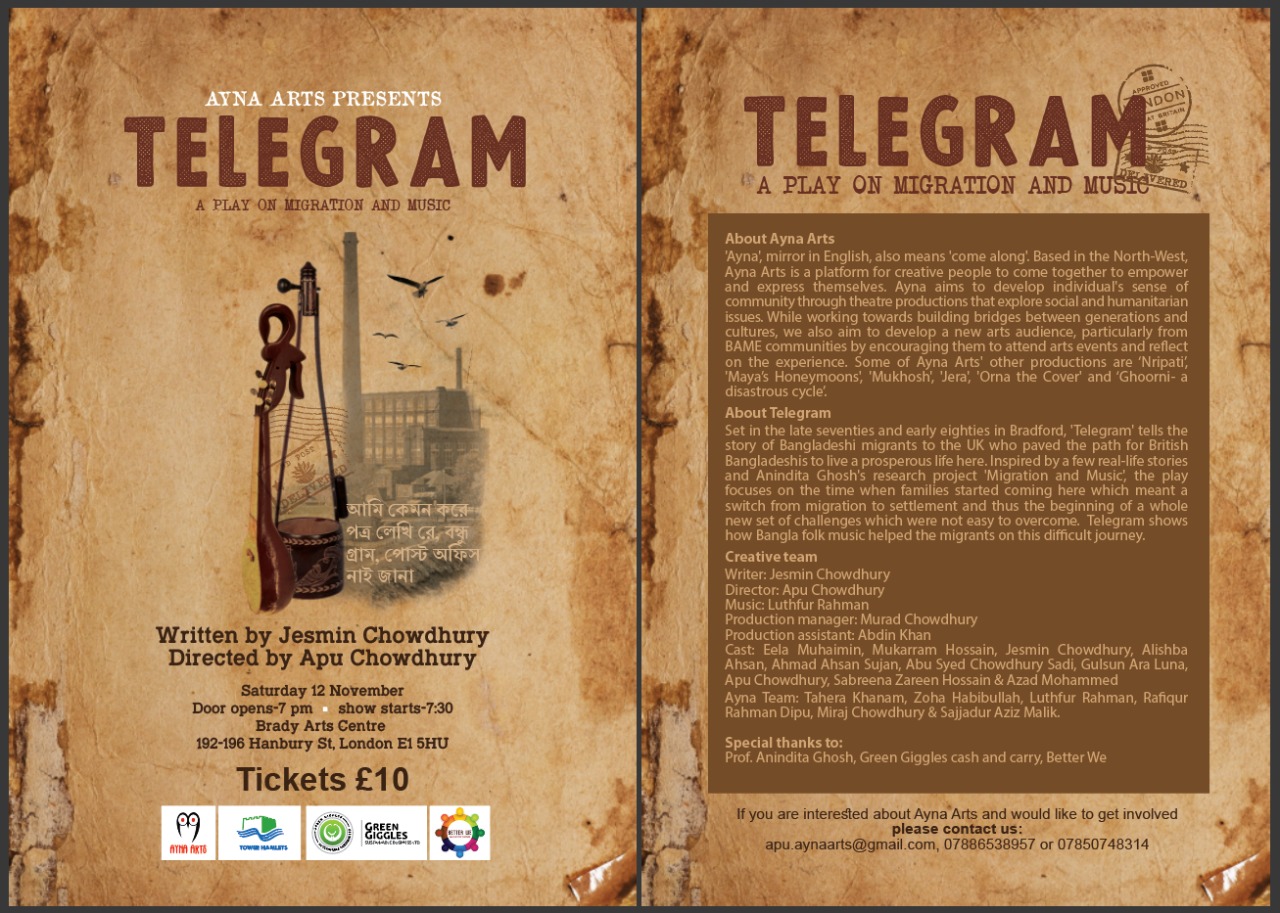
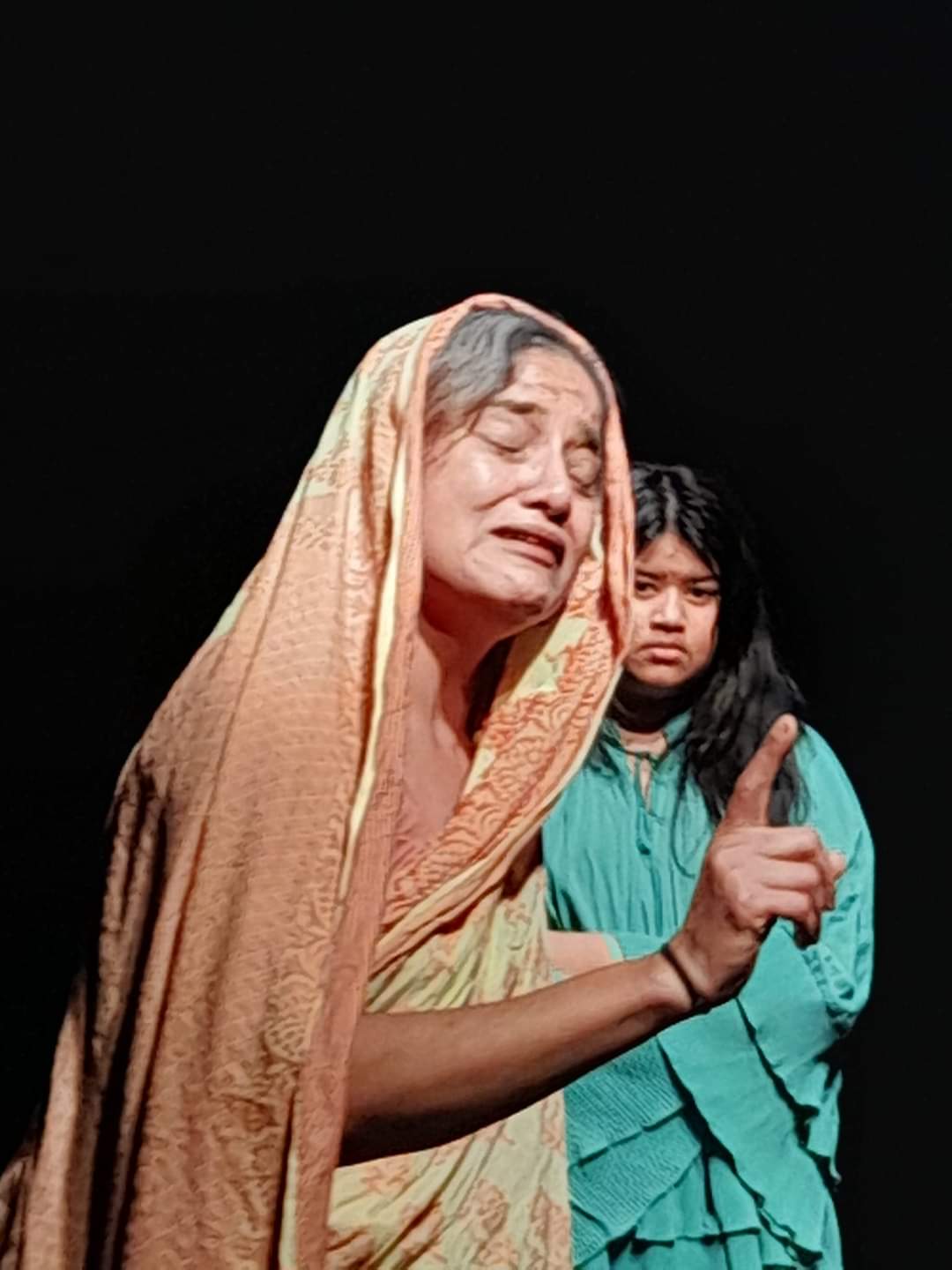
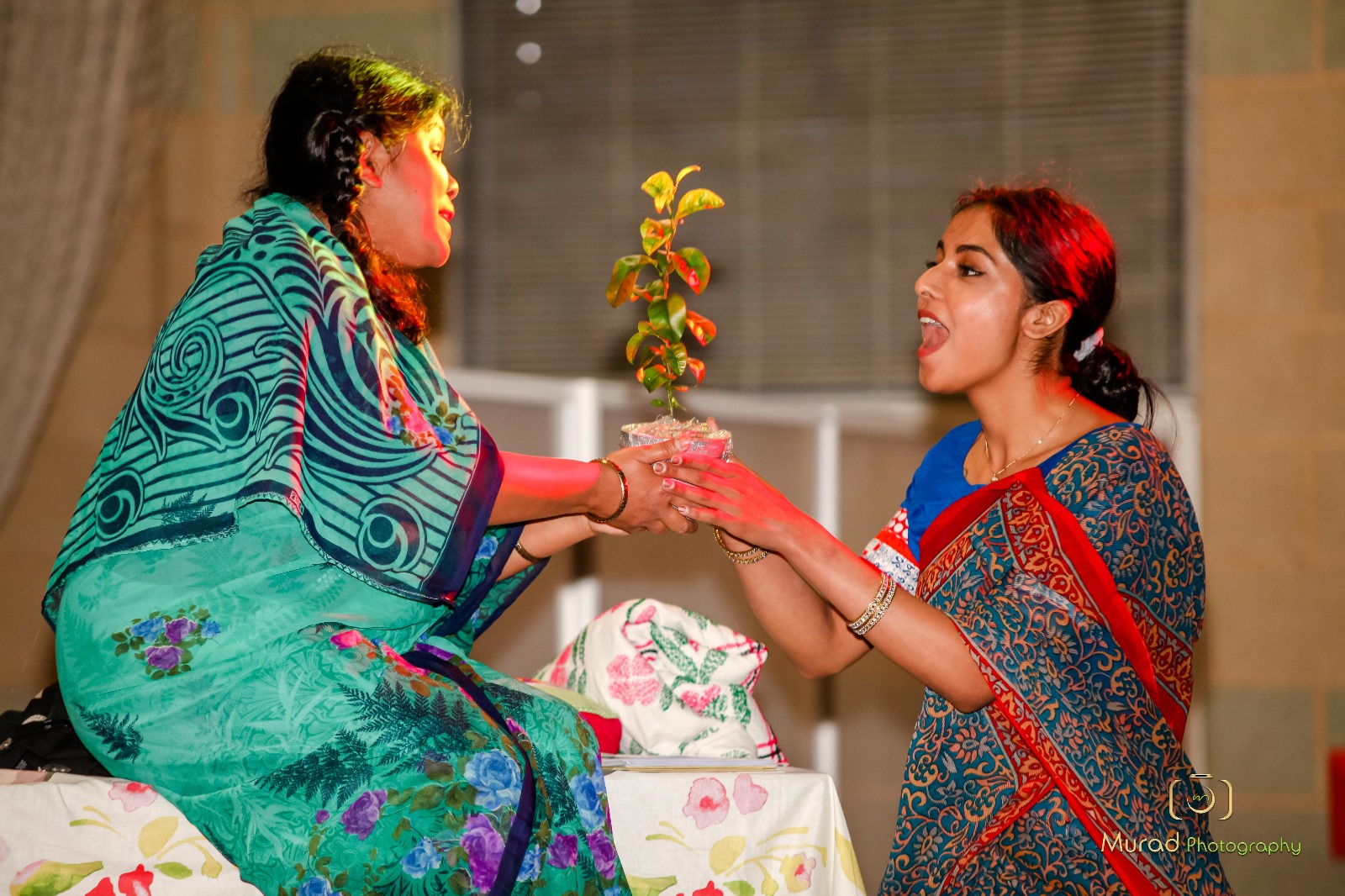

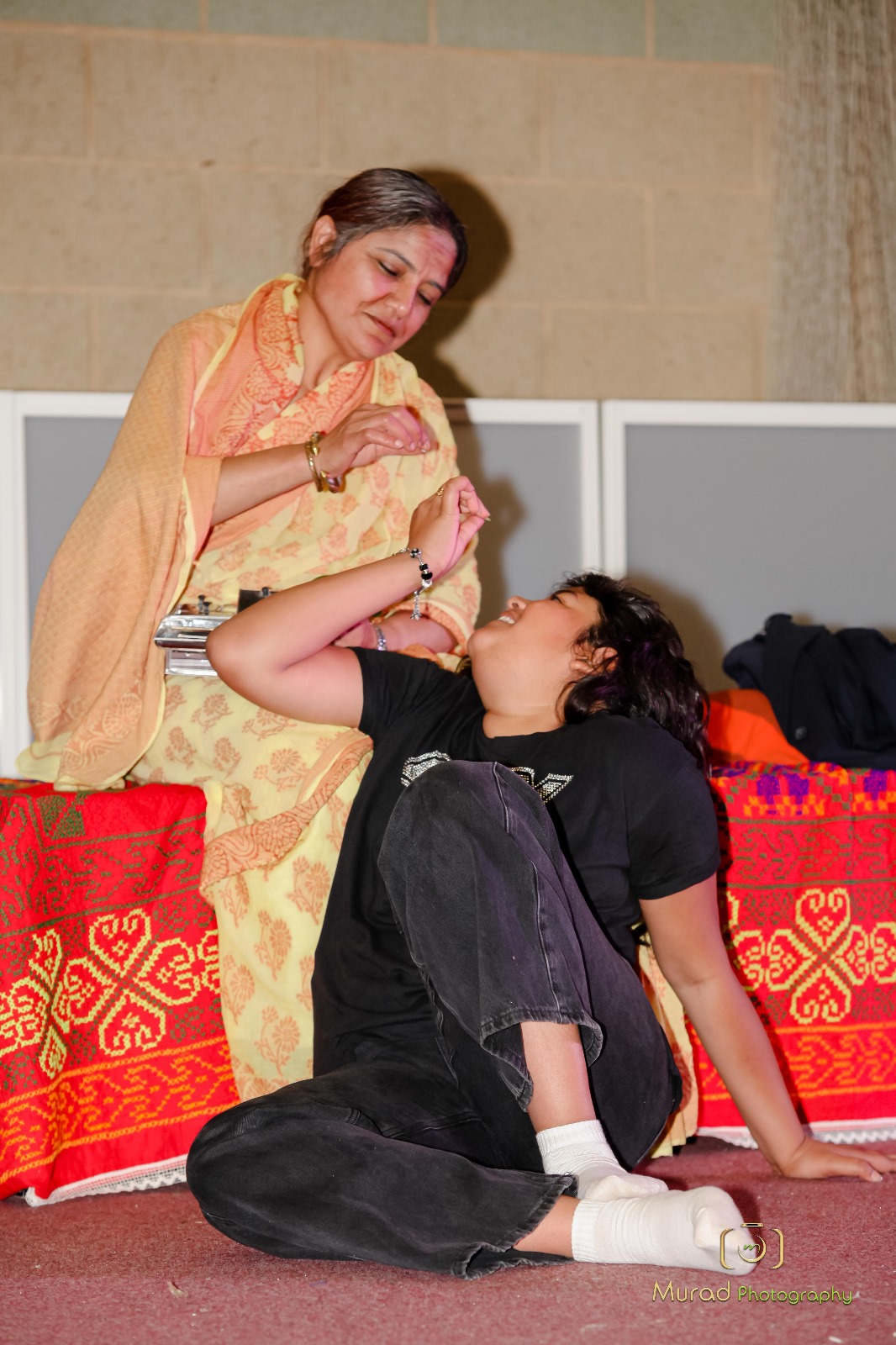

Telegram: A Bengali play by Ayna Arts co-produced with Professor Anindita Ghosh, School of Arts Languages and Cultures
Synopsis: Set in the late seventies and early eighties in Bradford, ‘Telegram’ tells the story of Bangladeshi migrants to the UK who paved the path for British Bangladeshis to live a prosperous life here. Inspired by a few real-life stories, the play focuses on the time when families started coming here which meant a switch from migration to settlement and thus the beginning of a whole new set of challenges which were not easy to overcome. Telegram also shows how Bangla folk music helped the migrants on this difficult journey.
Orna, the Cover (2021)
Written by Jesmin Chowdhury
Directed by Apu Chowdhury


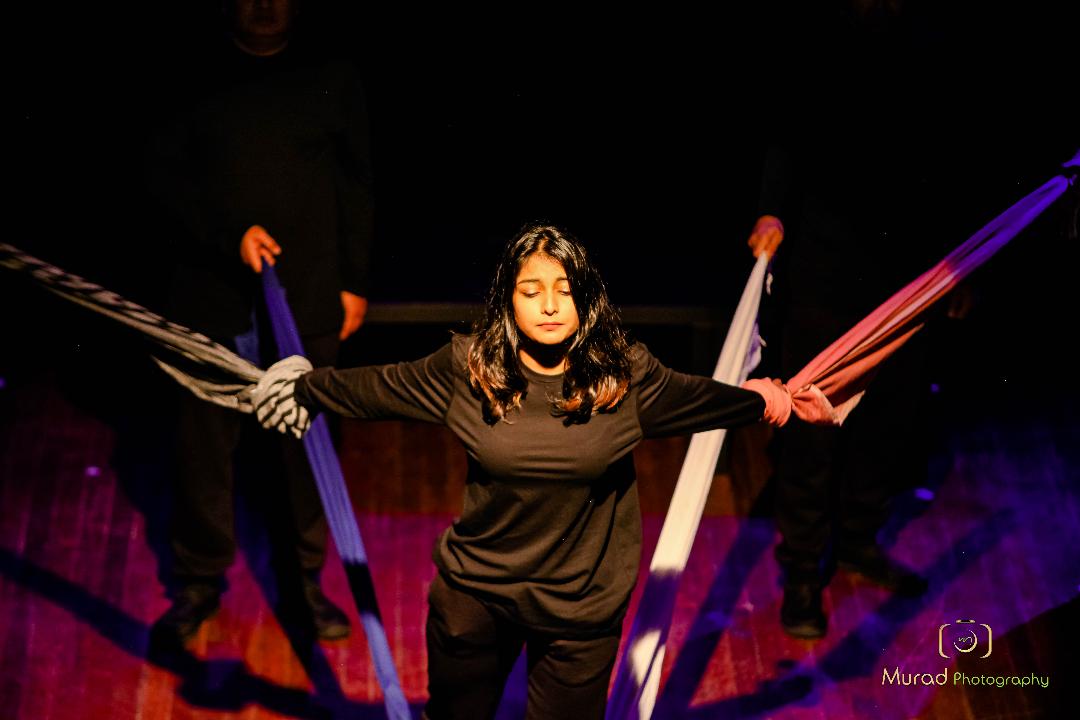
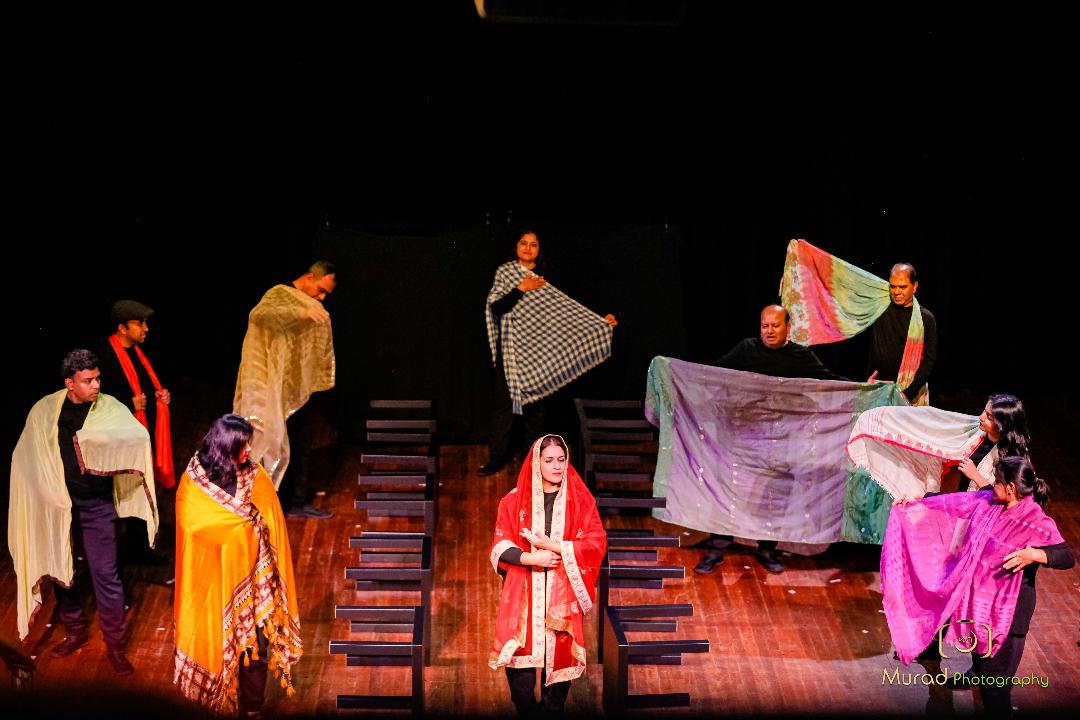
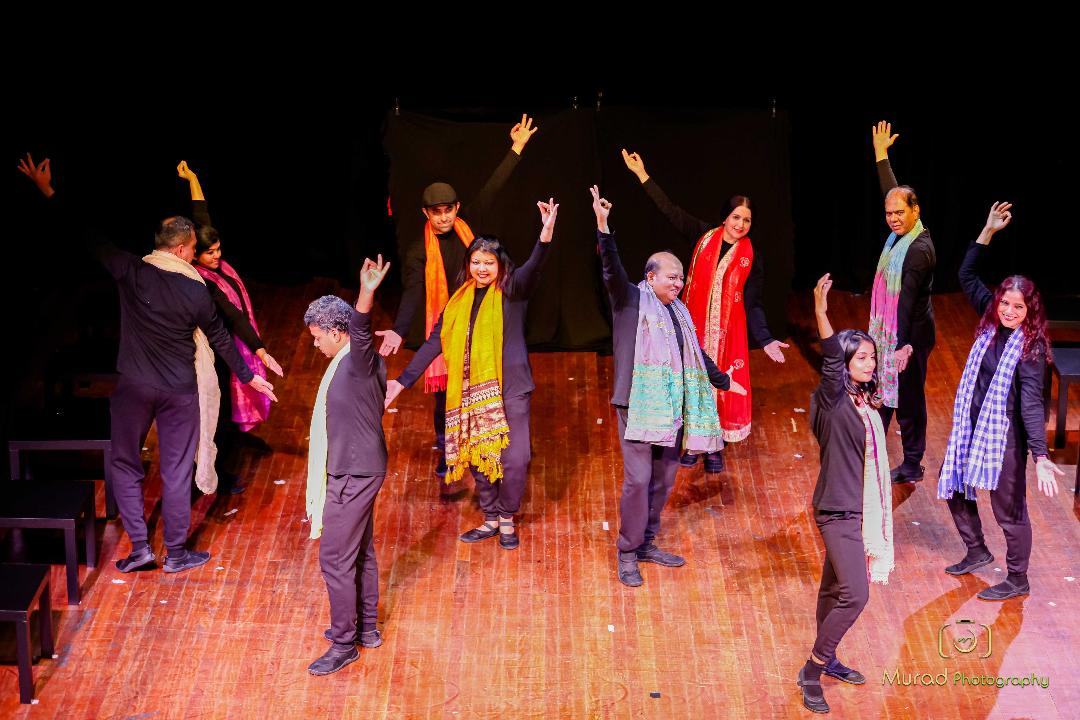
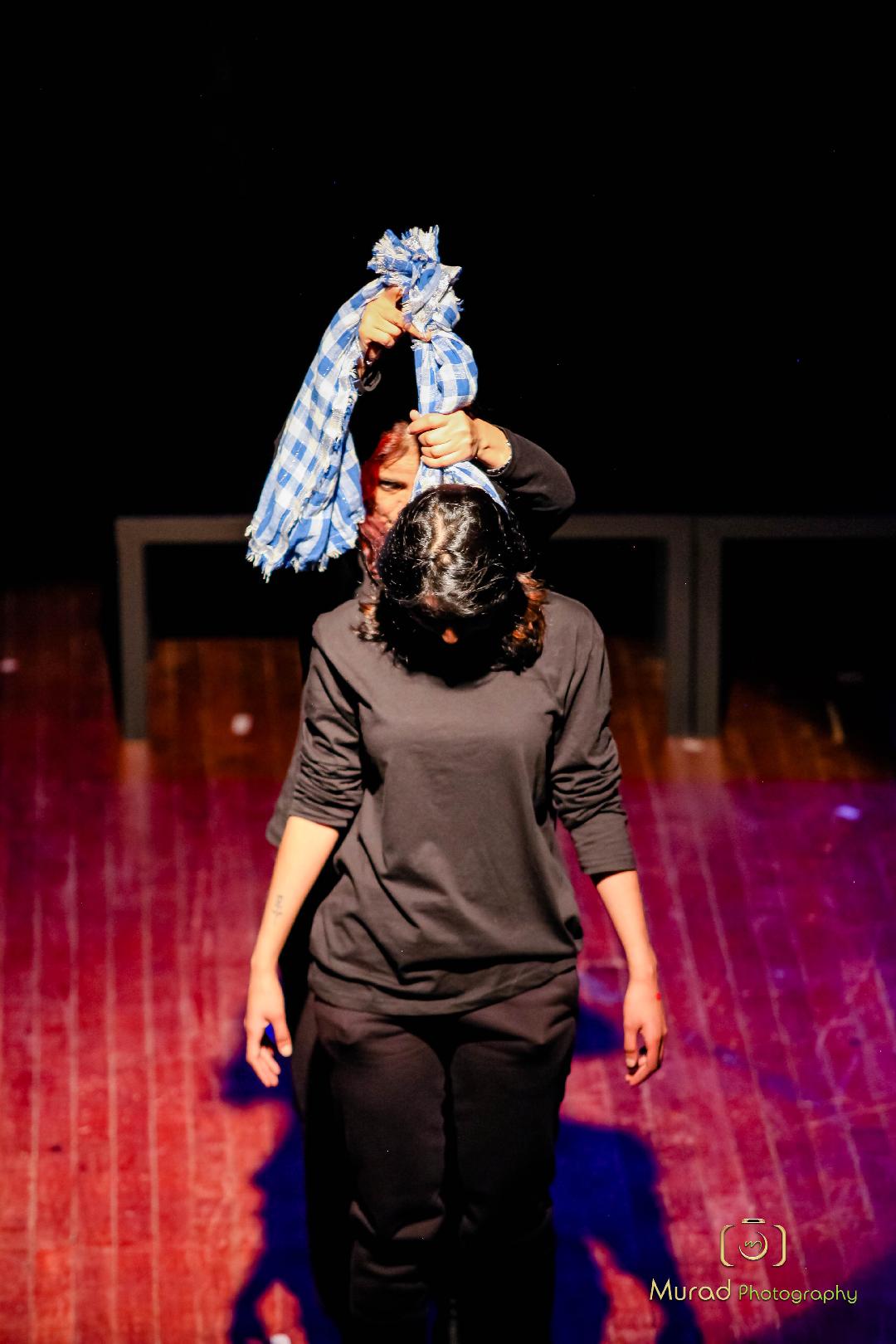
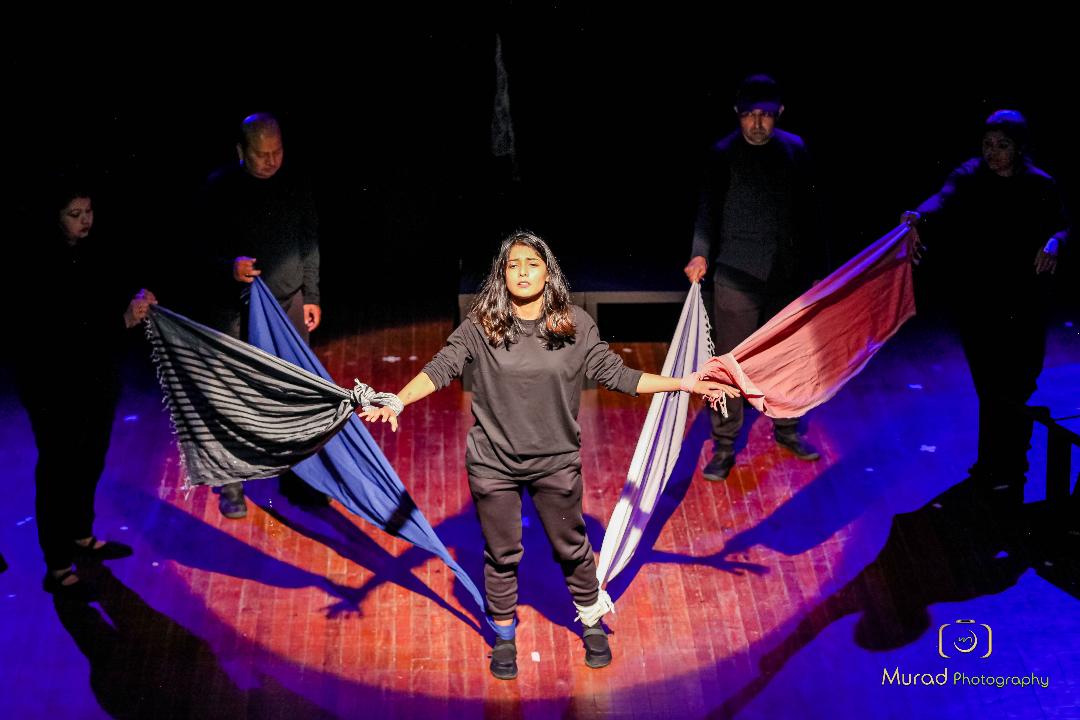
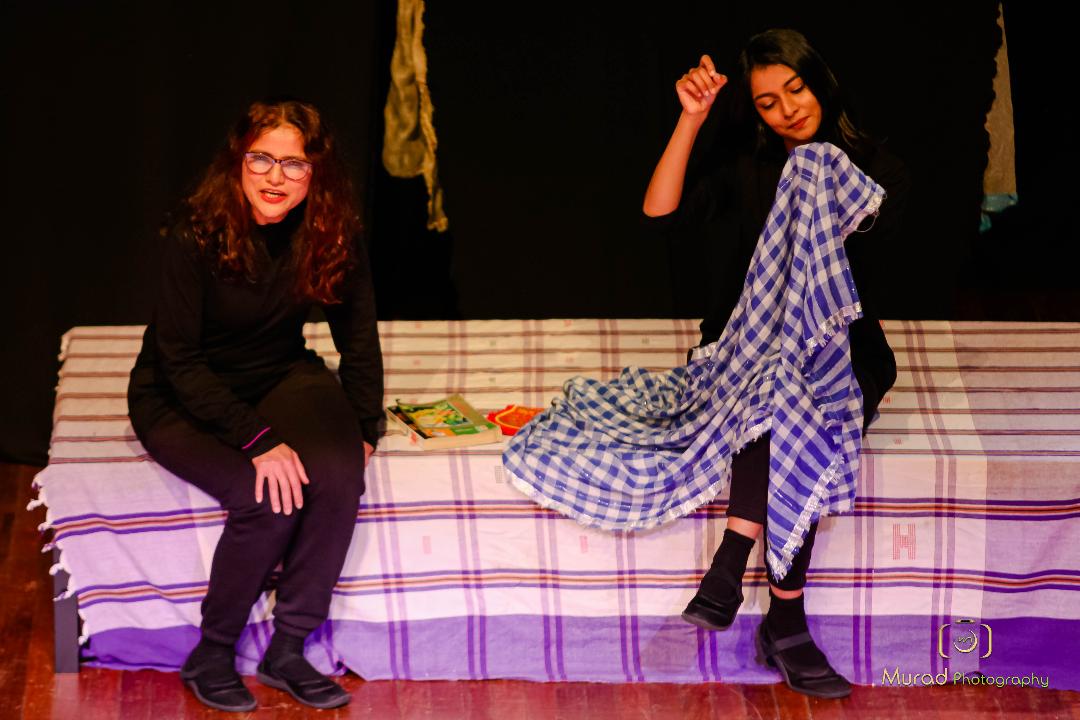
Synopsis: Orna (The Cover) is set in Bangladesh in modern time. It explores the issues of abuse and oppression of women, rape and victim blaming while challenging social taboos. While most dialogues are in English there are some repetitions and songs in Bangla and Hindi. The main character is an ‘orna’- a piece of cloth women in some cultures wear over their chests and heads. The orna tells the story of its owner, what and how she suffered while wearing it. This play explores one question. Has orna (the cover), succeeded in performing its duty which is protecting women?
Jera (2018)
Egyptian play by Farid Kamil
Bangla adaptation by Tariq Anam Khan
Directed by Apu Chowdhury
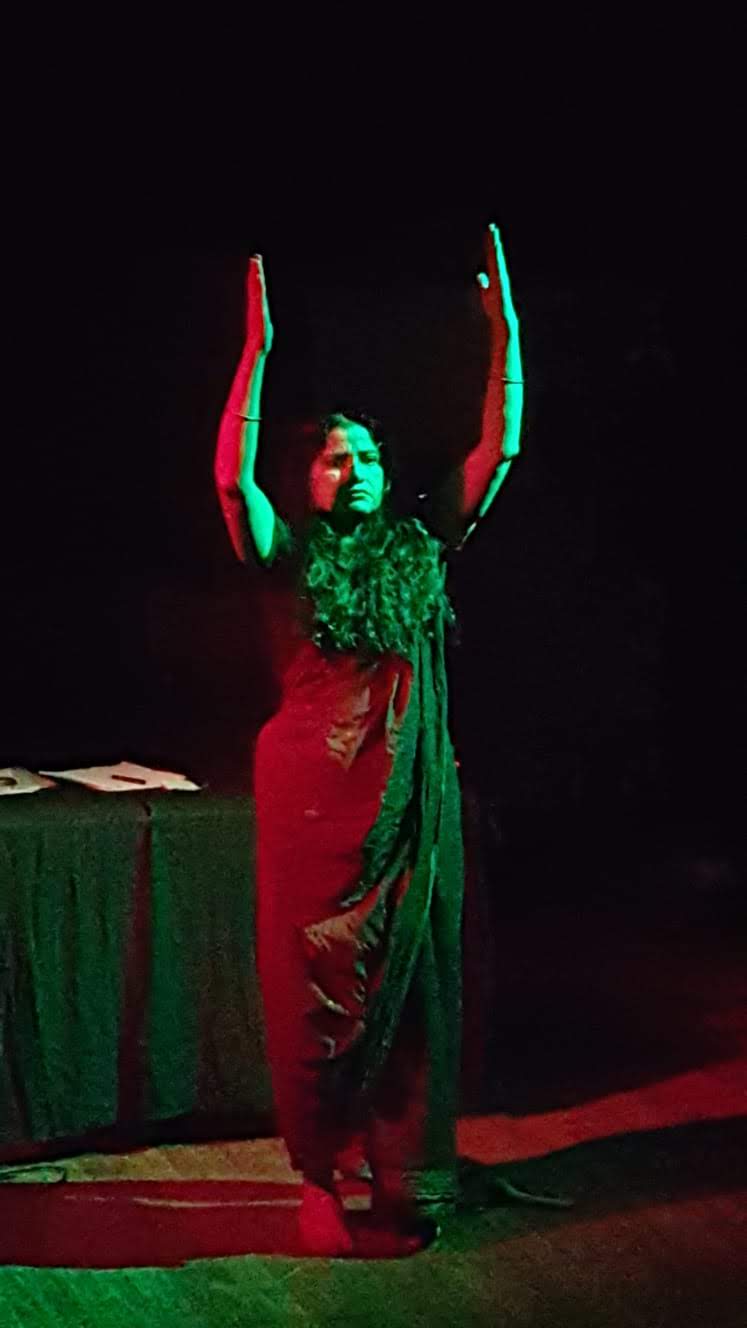
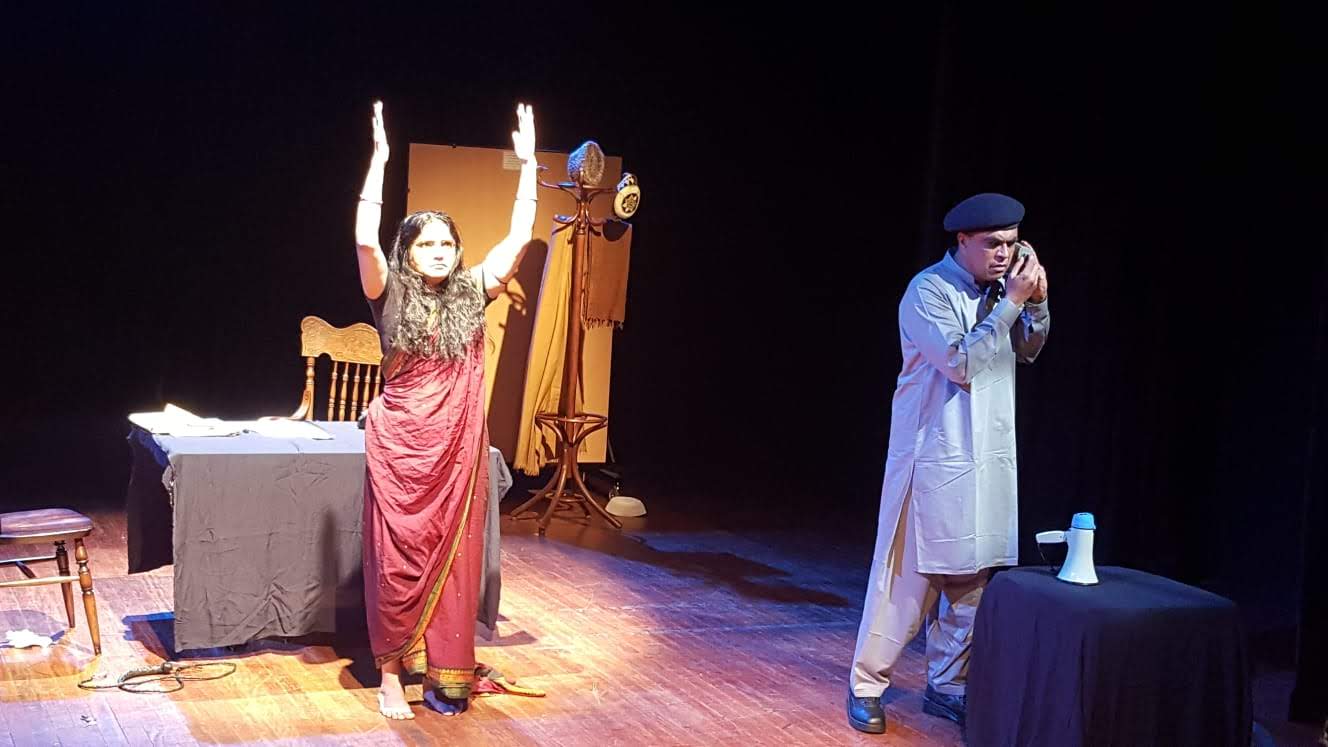
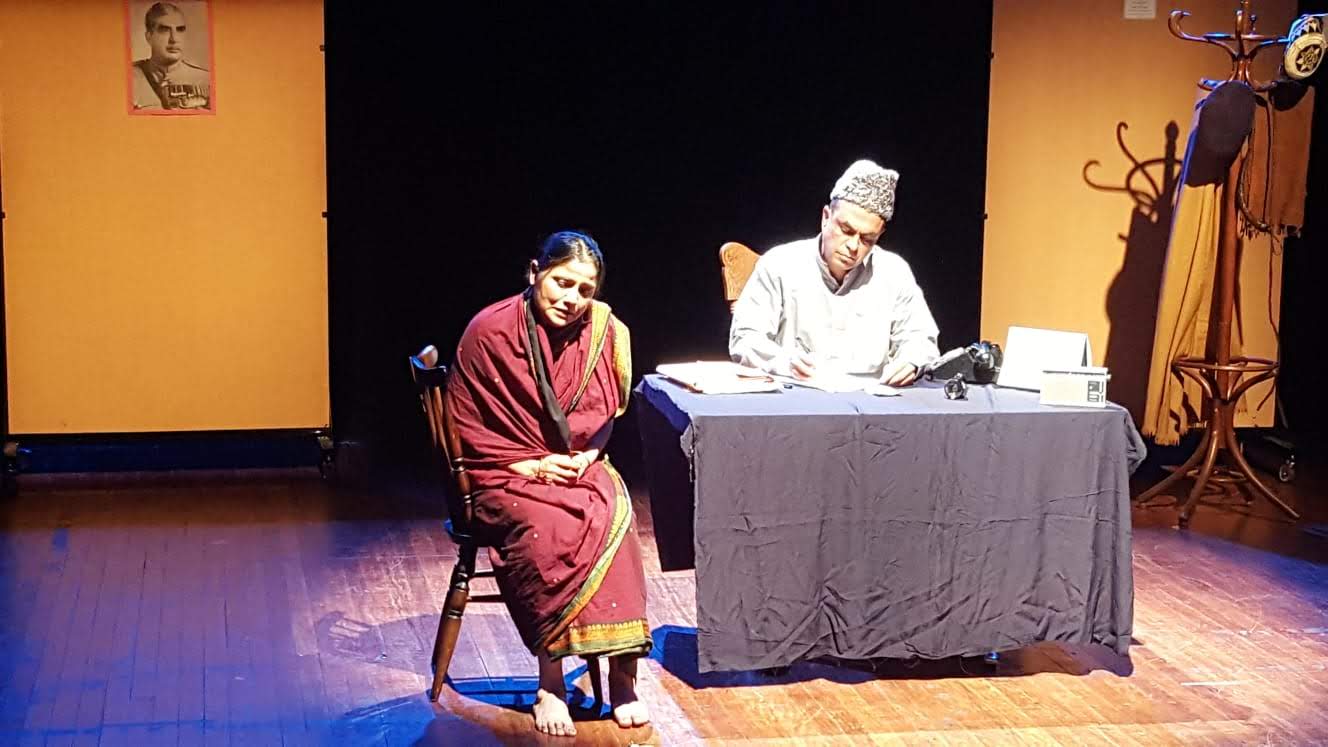
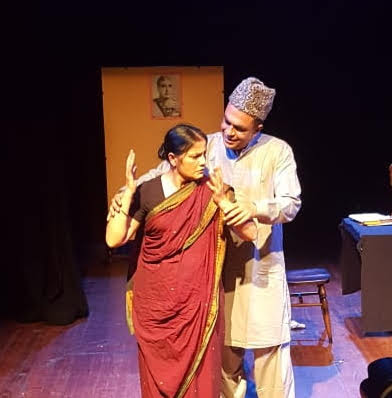
Synopsis: This unique one act play, with only two-characters, revolves around the story of a woman who is being interrogated by a collaborator during the Independence War of Bangladesh in 1971. Unlike most other plays based on the same issue, this play deals with the psychology of the collaborators as well as the freedom fighters. At the beginning of the play we see a very timid and frail woman being interrogated by an apparently powerful man who abuses and jeers at her trying to extract information about freedom fighters. In the course of the interview, the woman ends up telling the story of her life which brings out the struggles between good and evil, greed and honesty, treachery and faithfulness. In the end it becomes apparent that the interviewer’s character is identical to that of the woman’s husband who left her and her two young boys a long time ago. Finally the freedom fighters are victorious. The woman who appeared weak and fragile at the beginnings demonstrates unimaginable strength and resilience at this stage while the true face of the opportunist collaborator is revealed but he blends in with the cheering crowd. This indicates that even when truth has won we have to be careful because evil is always lurking around and can strike again making history repeat itself.
Mukhosh (2017)
Adapted by Syed Shamsul Haque from Ariel Dorfman’s Death and the Maiden
Directed by Apu Chowdhury
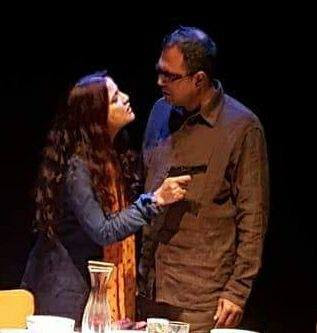

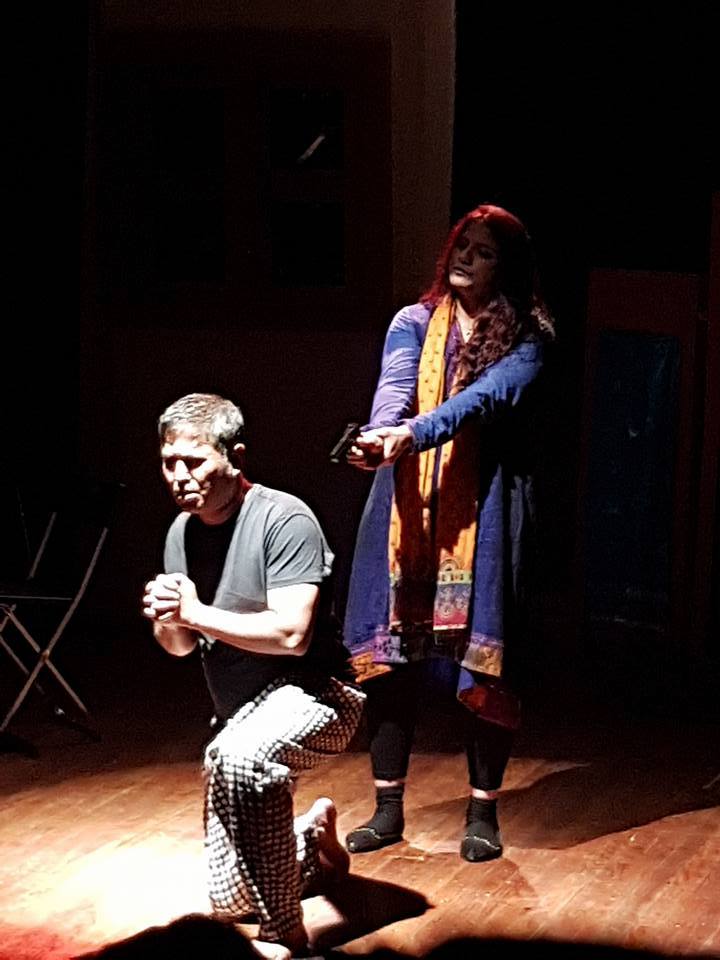
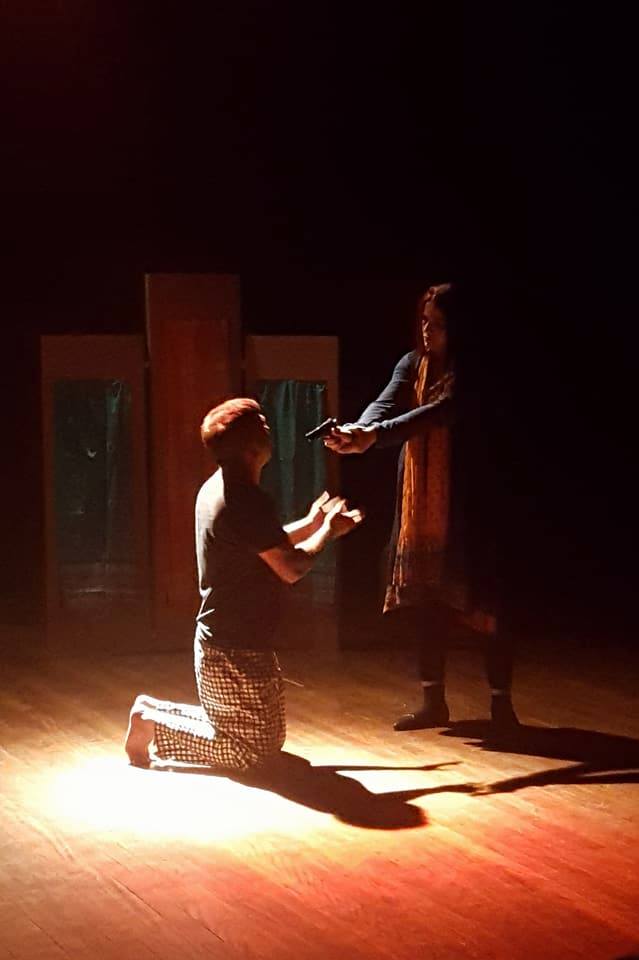
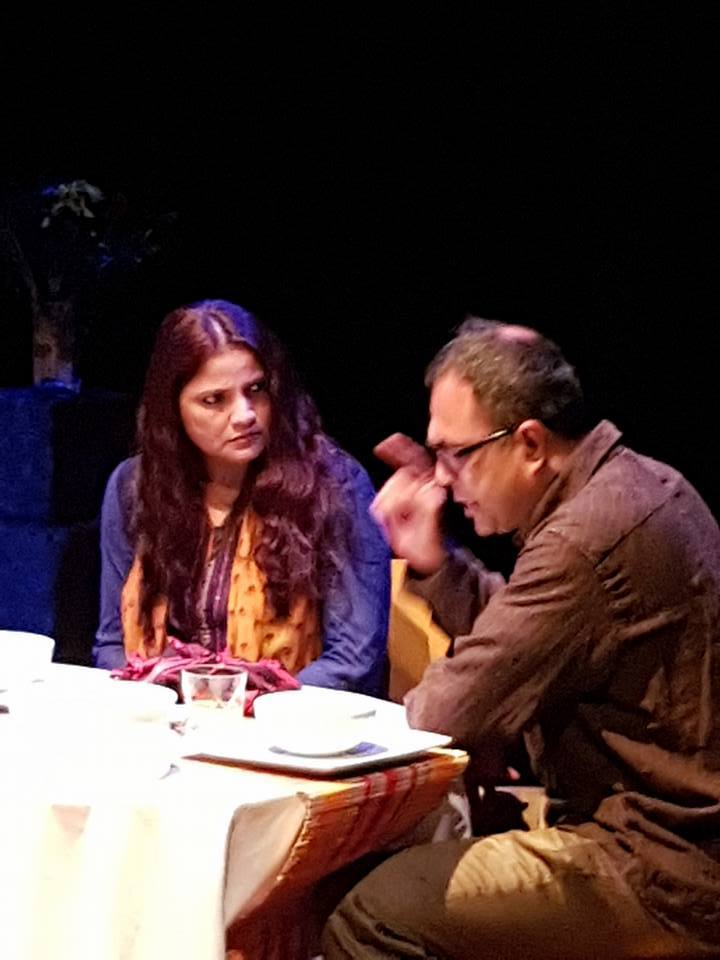
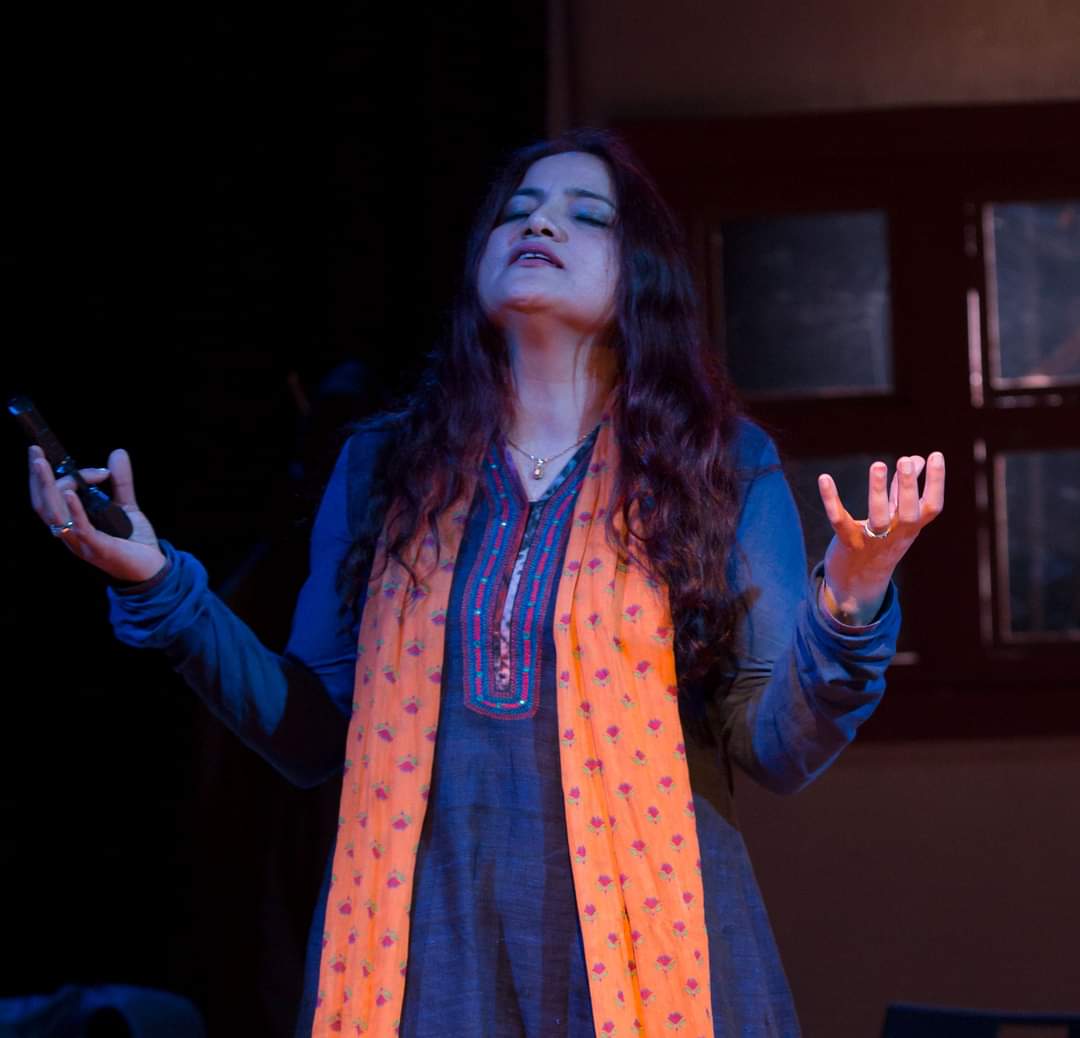
Synopsis: Set in Bangladesh that is transitioning to democracy, MUKHOSH explores how and if a nation can start to heal its wounds after years of living in a dictatorship regime. A middle aged couple have finally started to relax after years of living in fear. Husband, a lawyer, has just accepted a post as the head of citizens committee that will investigate the past crimes of the dictatorship. Unfortunately, the committee will not be able to publicly name the criminals, and as a result, no one will be prosecuted. Husband feels that the committee will be a way for the country to peacefully transition to the new government, but his wife has other ideas of justice. She is traumatized by her past, she was kidnapped, tortured, and raped by member of the former regime. When a stranger visits their home at her husband’s request, wife recognizes his voice as one of her torturers – she had nicknamed him ‘the Doctor’. Determined to administer justice for herself, she takes matters into her own hands and makes sure he pays for his former sins. Is this stranger, however, really the ‘Doctor’ or simply an innocent citizen? MUKHOSH is a political and moral thriller that examines the psychological after effects of human rights abuses.
Maya’s Honeymoons (2016)
Written by Jesmin Chowdhury
Directed by Apu Chowdhury

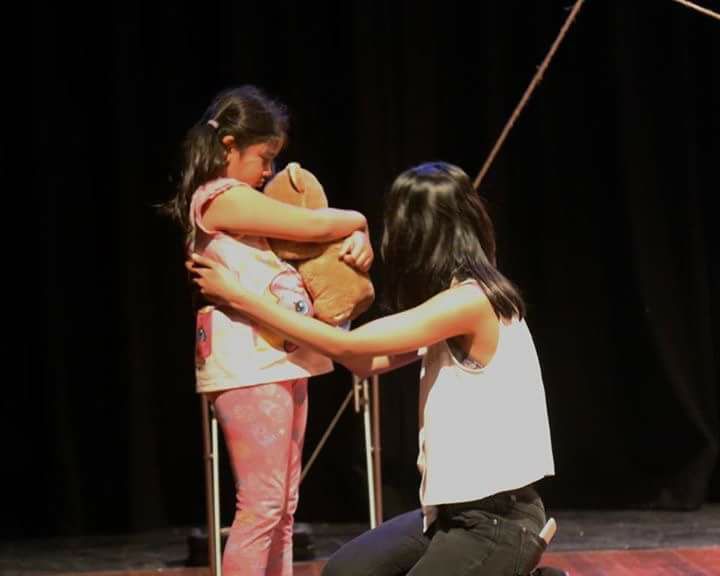
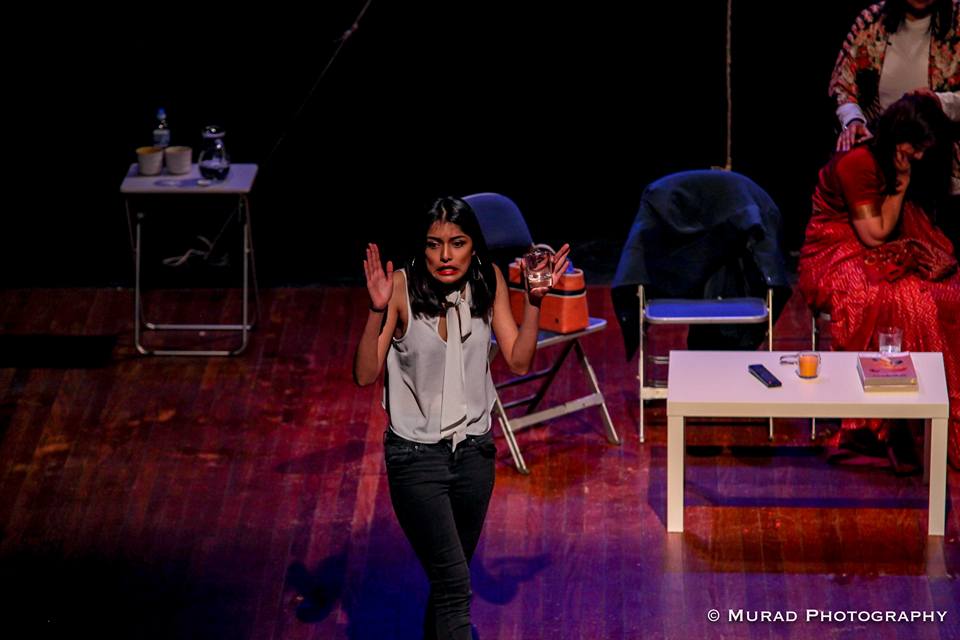
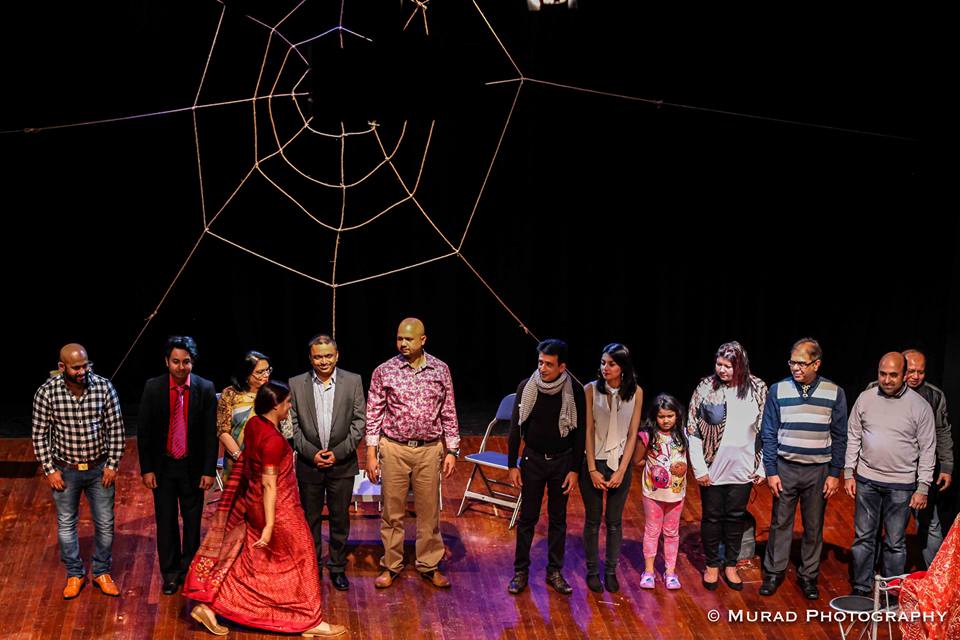
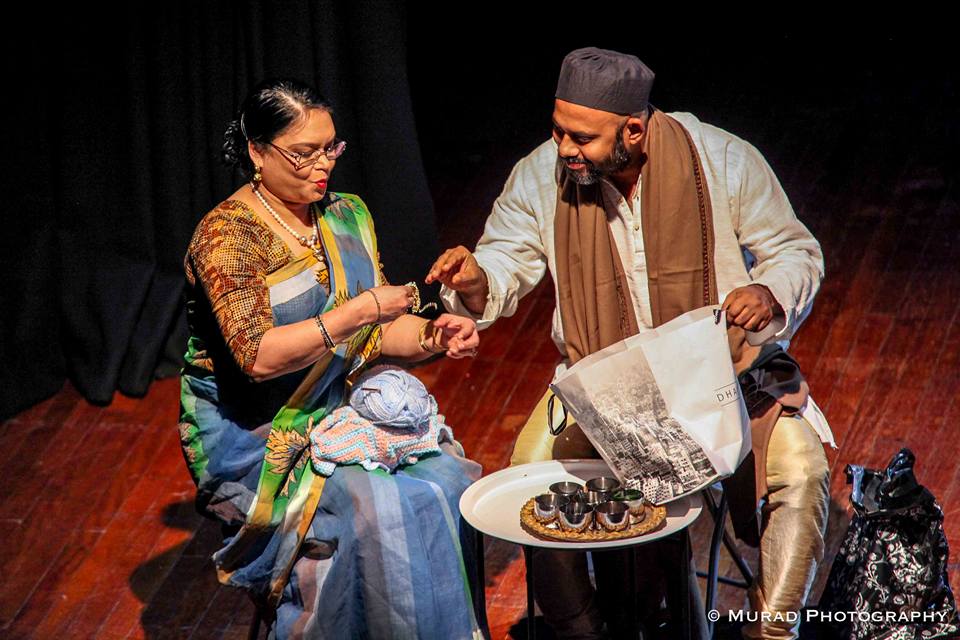
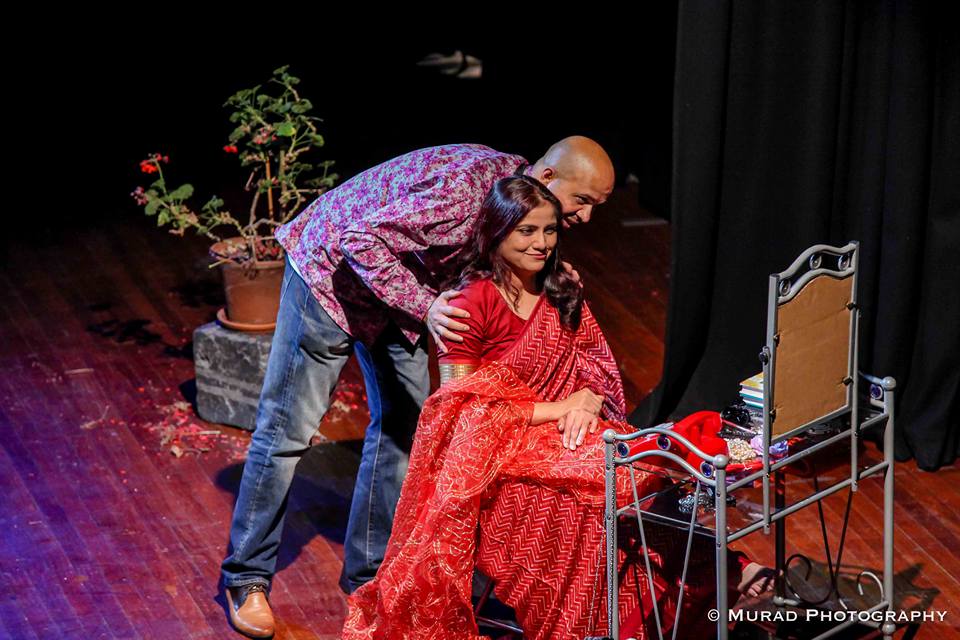

Synopsis: Written by Jesmin Chowdhury from her experiences and interactions in society, this play revolves around domestic violence and its effect on relationships and child development. The language of the play is an interesting mixture of Bengali, English and Sylheti as can be seen in many Bangladeshi households in the UK. Although the subject matter is quite grim with some serious messages, the author has created humour through her use of proverbs and dialogues. The play talks of not only the problems faced by women in abusive relationships, but also how they can help themselves and their families.
The central character Maya, a young girl from Bangladesh, is married off to an apparently accomplished young British Bangladeshi man. The marriage seems to be a happy one at the beginning, but soon Maya finds herself totally in grip of her extremely controlling husband who keeps her from becoming independent. Maya, however, mistakes her husband’s manipulations as love and thus falls victim to the cycle of repeated abuses followed by repeated ‘honeymoons’. Finally, the whistle is blown by Maya’s nine year old son and the drama unfolds.
Ultimately, Maya’s husband realizes how he is destroying his family and goes home to tell his wife that he is going to try to set things right. But is he going to succeed? Or is it already too late?
Nripati (2015)
Written by Humayun Ahmed
Directed by Apu Chowdhury
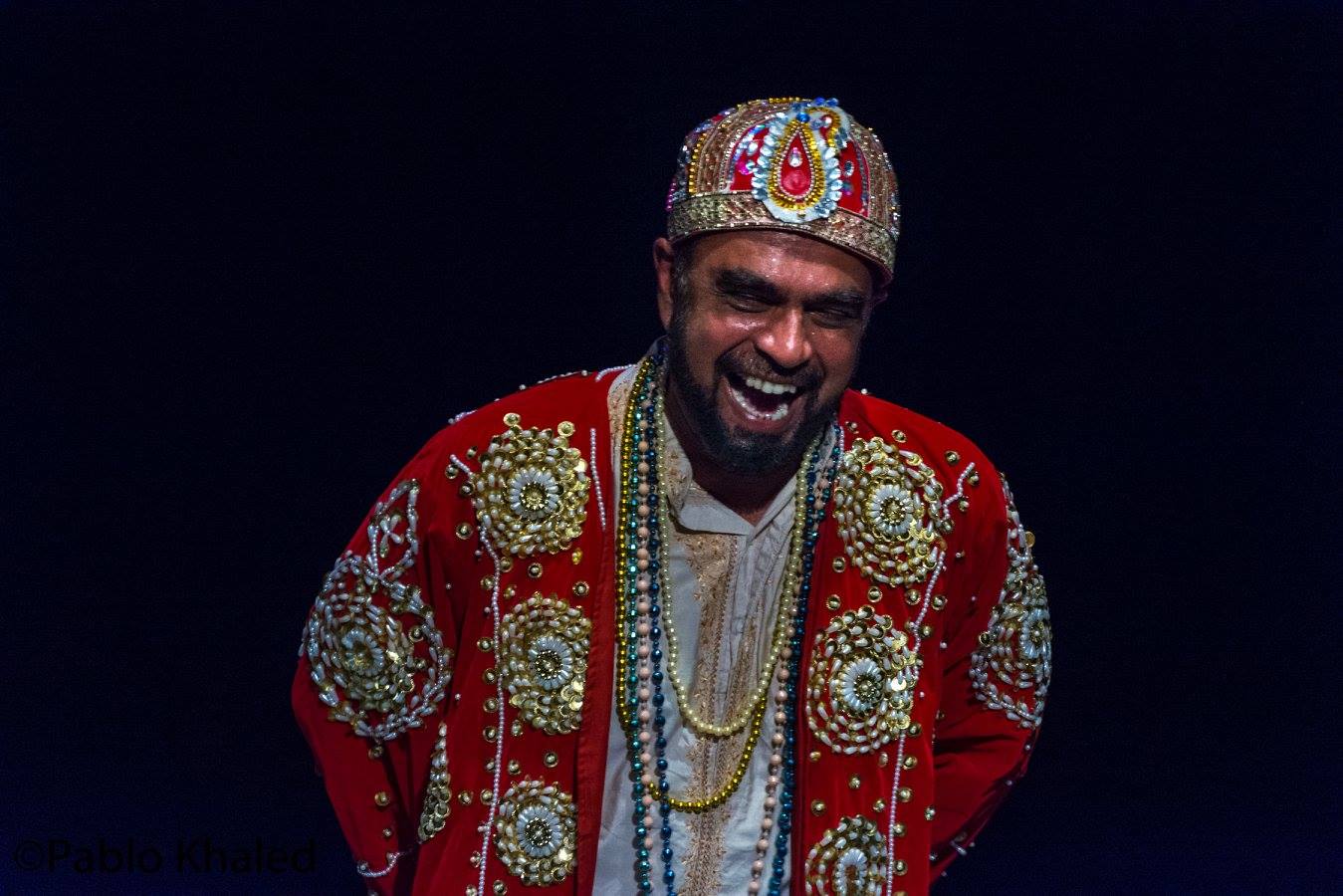
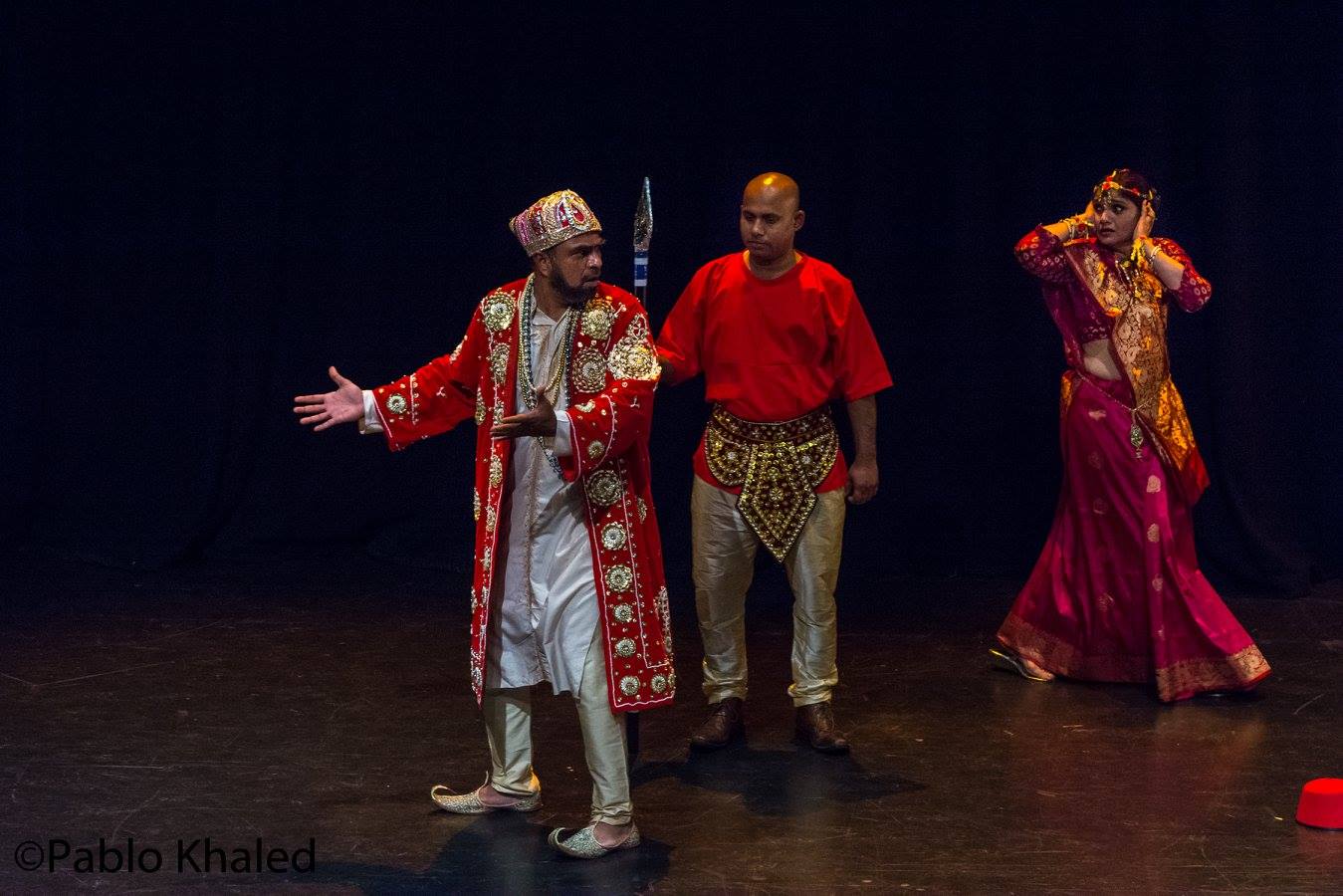
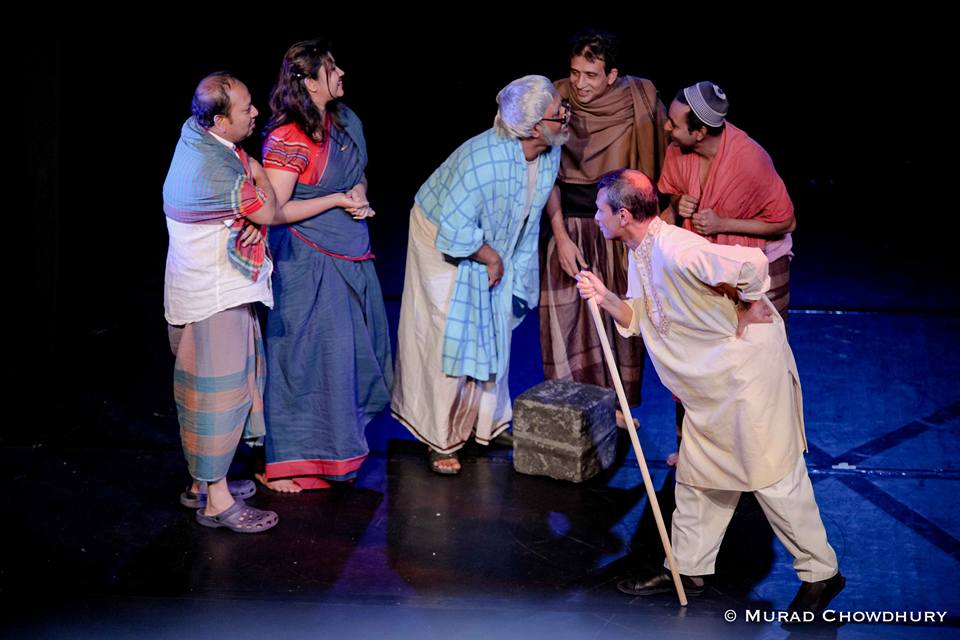
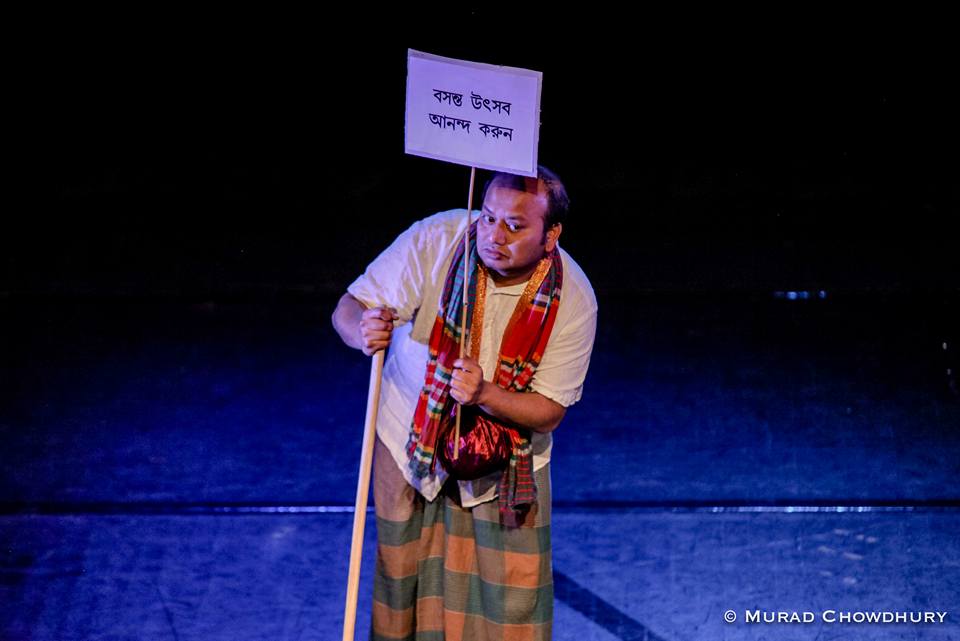
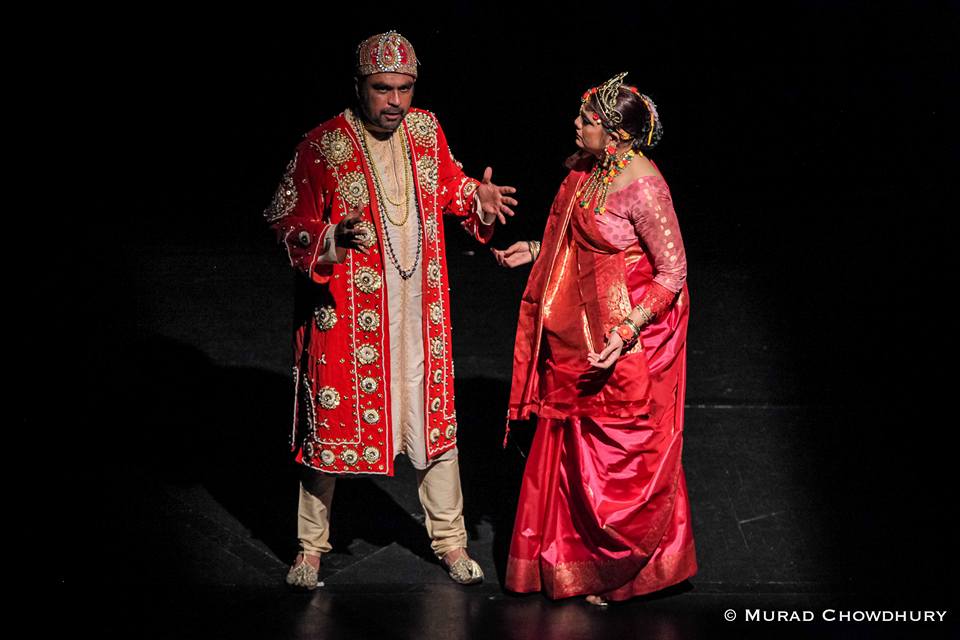
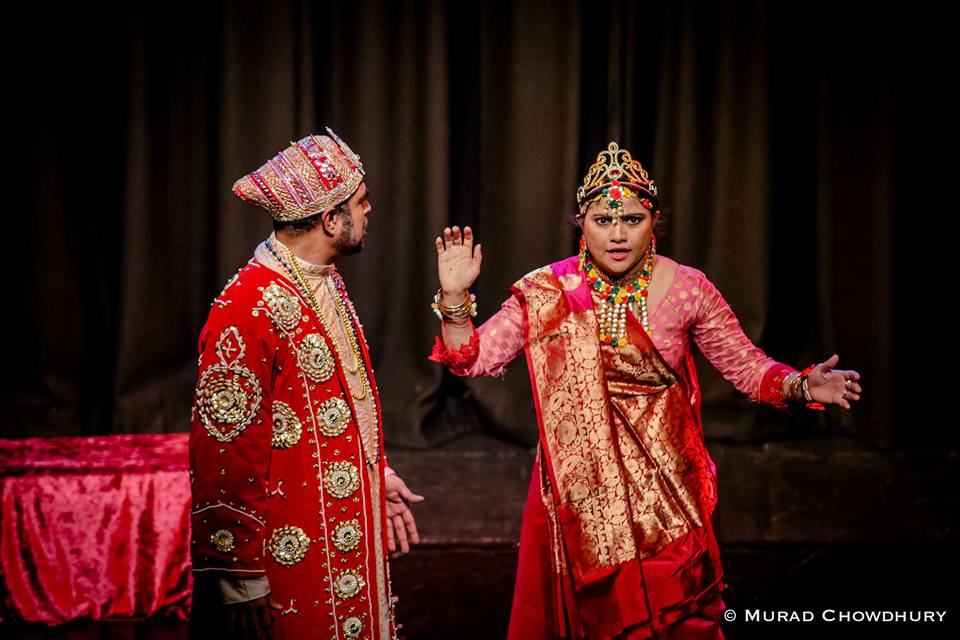
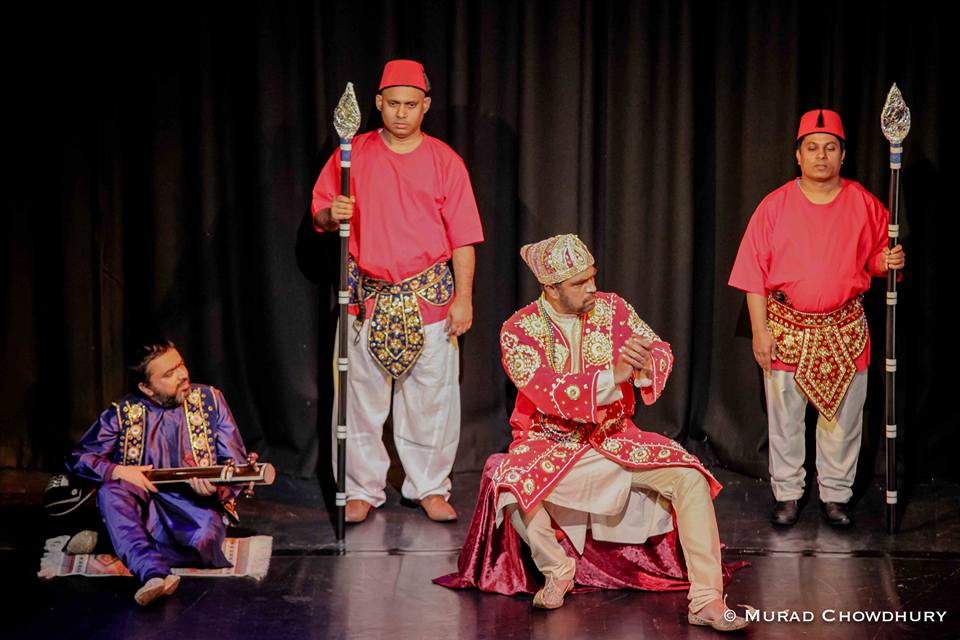

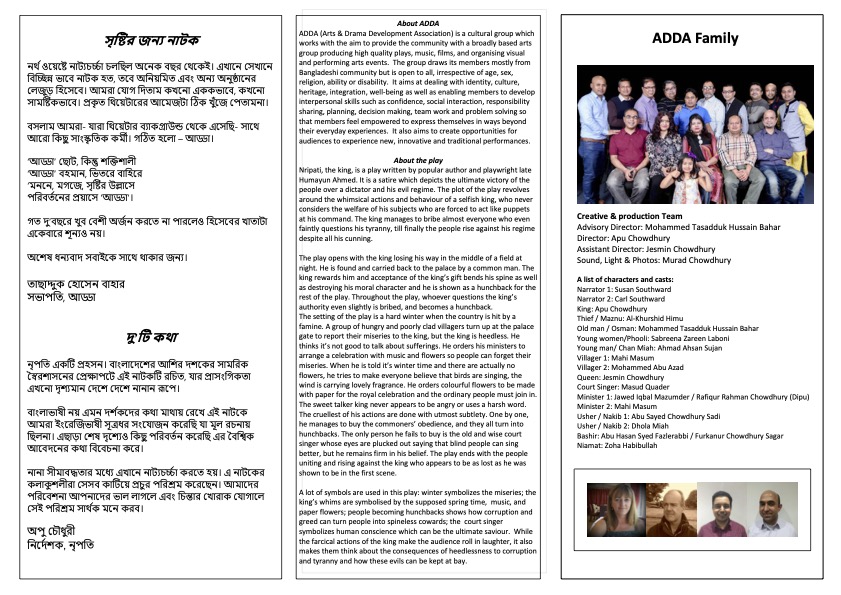
Synopsis: Nripati, the king, is a play written by popular author and playwright late Humayun Ahmed. It is a satire which depicts the ultimate victory of the people over a dictator and his evil regime.
The plot of the play revolves around the whimsical actions and behaviour of a selfish king, who never considers the welfare of his subjects who are forced to act like puppets at his command. The king manages to bribe almost everyone who even faintly questions his tyranny, till finally the people rise against his regime despite all his cunning.
